Subjects

Phonics

At Newtown Linford Primary School, we teach early reading through Little Wandle Letters and Sounds Revised, a systematic synthetic phonics programme approved by the Department for Education.

Children begin phonics teaching in Week 2 of Reception and take part in daily phonics lessons throughout Reception and Year 1. Lessons follow the Little Wandle progression to help children develop secure decoding skills and become fluent, confident readers.

In Reception, children learn the Phase 2 and Phase 3 grapheme-phoneme correspondences (GPCs) during the Autumn and Spring terms before moving on to Phase 4 in the Summer term.

Year 1 begins with a review of previously taught learning before children move on to Phase 5, which is taught throughout the year. In Year 2, children revisit and consolidate Phase 5 and earlier learning to ensure they can confidently apply their phonics knowledge in both reading and writing.

Children are assessed regularly throughout Reception and Year 1. These assessments help us identify any gaps in learning and ensure that children who need additional support receive timely Keep Up intervention sessions so that they can successfully keep pace with their peers.

For support with the pronunciation of the phonemes taught, please refer to the videos below.
Reading Practice KS1

Children in Reception, Year 1 and Year 2 take part in three Reading Practice sessions each week with an adult.

Each session has a different focus:

Decoding – reading words accurately using phonics

Prosody – reading fluently with expression

Comprehension – understanding and talking about what has been read

Children read fully decodable Little Wandle books matched to their phonics knowledge, helping them build fluency and confidence before moving on.

Reading at Key Stage 2

In Key Stage 2, children continue to develop their reading fluency, comprehension and love of reading through whole-class reading lessons. We use the VIPERS approach to teach and assess comprehension skills:

Vocabulary – understanding the meaning of words and phrases

Inference – using clues from the text to make informed conclusions

Prediction – anticipating what might happen next

Explanation – explaining ideas, themes and author choices

Retrieval – finding and recalling information from a text

Summarising/Sequencing – identifying main ideas and key events

Through a wide range of high-quality texts, pupils learn to think deeply about what they read, discuss their ideas confidently and develop the skills needed to become independent, lifelong readers.

Reading for Pleasure

We want every child to develop a genuine love of reading.

Children enjoy daily story time, class novels and access to a wide range of high-quality books through classroom reading areas and our school library. We celebrate reading through author studies, book recommendations, World Book Day and other reading events that encourage children to discover new books and share their enjoyment with others.

Our Approach

At Newtown Linford Primary School, we believe that every child can become a successful writer. High-quality texts sit at the heart of our writing curriculum, inspiring children to develop rich vocabulary, a love of language and an understanding of how authors communicate ideas. We recognise that writing is a complex process requiring children to develop both transcription skills (handwriting and spelling) and composition skills (creating and communicating ideas). Our carefully sequenced approach enables pupils to secure the foundations of writing before becoming increasingly fluent, independent and purposeful writers.

Early Years Foundation Stage

In EYFS, writing begins with developing the physical and communication skills needed for success. Children build core strength, fine motor control, pencil grip and letter formation alongside a love of stories, language and talk. Writing opportunities are rooted in high-quality texts, rich vocabulary and meaningful experiences. Children are encouraged to orally rehearse ideas before recording them and develop confidence through talk, storytelling and early mark making. By the end of EYFS, pupils are working towards independently writing simple words, phrases and sentences using their growing phonics knowledge.

Key Stage 1

In Key Stage 1, we focus on securing the essential foundations needed for children to become fluent and confident writers. Every English lesson begins with daily handwriting practice to develop accurate letter formation, presentation and automaticity. Daily spelling practice further develops children’s phonics knowledge, spelling patterns and application.

Writing teaching is built around high-quality texts, exposing children to rich vocabulary, diverse literature and a range of fiction, non-fiction and poetry. Pupils become deeply familiar with texts through repeated reading, discussion and oral rehearsal.

Our writing sequence develops through five key stages:

We Are Storytellers – developing vocabulary, oracy and oral composition through retelling, role play, story maps and discussion.

We Are Writers – using dictation activities to strengthen handwriting, spelling, punctuation and sentence construction.

We Are Editors – teaching pupils to proofread and improve their own work through explicit modelling and guided practice.

We Are Creators – supporting children to compose their own sentences and communicate ideas independently through oral rehearsal, modelling and feedback.

Sequencing and Narrative Building – gradually developing the ability to organise sentences into short narratives and longer pieces of writing.

Key Stage 2

In Key Stage 2, pupils continue to build on these foundations through the WRITE approach:

W – What and Why – clarifying purpose, audience and intended effect.

R – Recap and Remind – making connections and revisiting previous learning.

I – Immerse and Rehearse – exploring high-quality texts, modelled examples and guided practice.

T – Try and Apply – applying learning independently through writing.

E – Evaluate and Feedback – reviewing, refining and improving writing through effective feedback.

Developing Fluent Writers

Across the school, we prioritise:

  • High-quality texts and vocabulary development.
  • Daily handwriting and spelling practice.
  • Strong speaking and listening skills.
  • Oral rehearsal before writing.
  • Explicit teaching of spelling, grammar and punctuation.
  • Regular opportunities to edit, improve and publish writing.

This carefully sequenced approach ensures that children build secure foundations, develop confidence as communicators and leave Newtown Linford Primary School as capable, resilient and enthusiastic writers.

Celebrating Writing

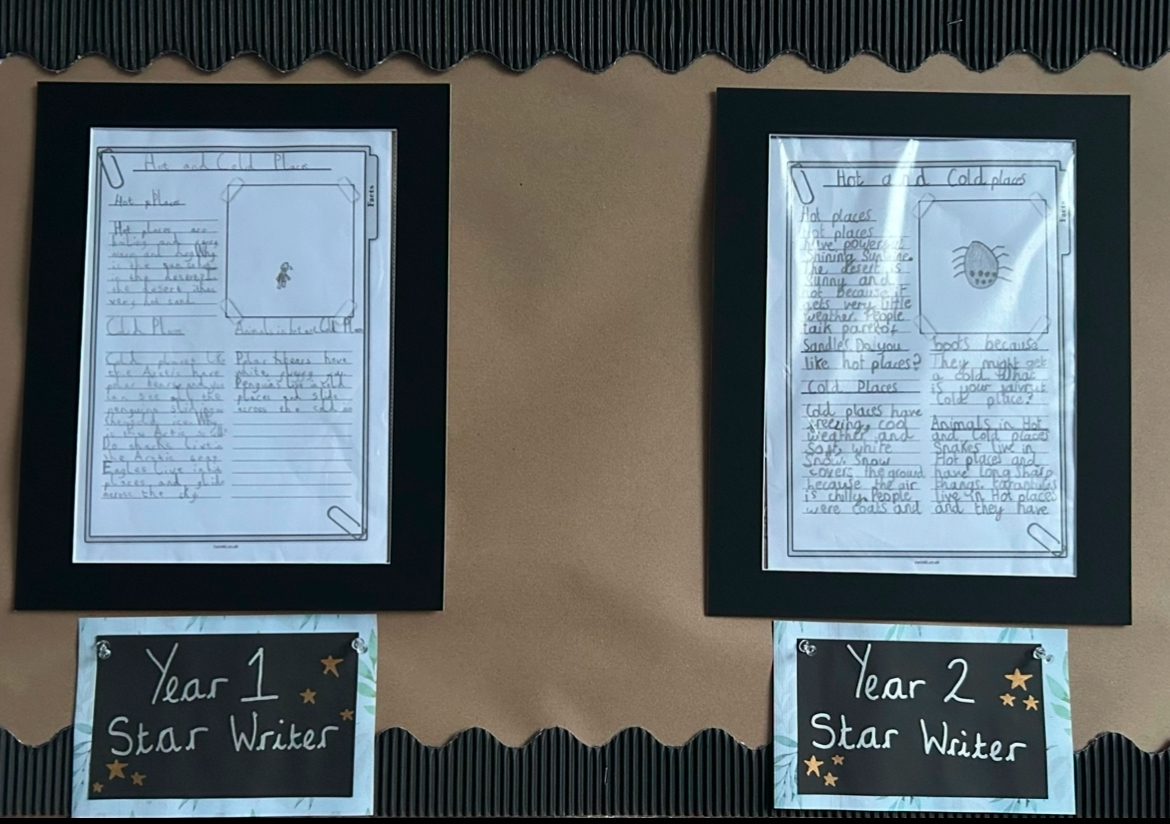
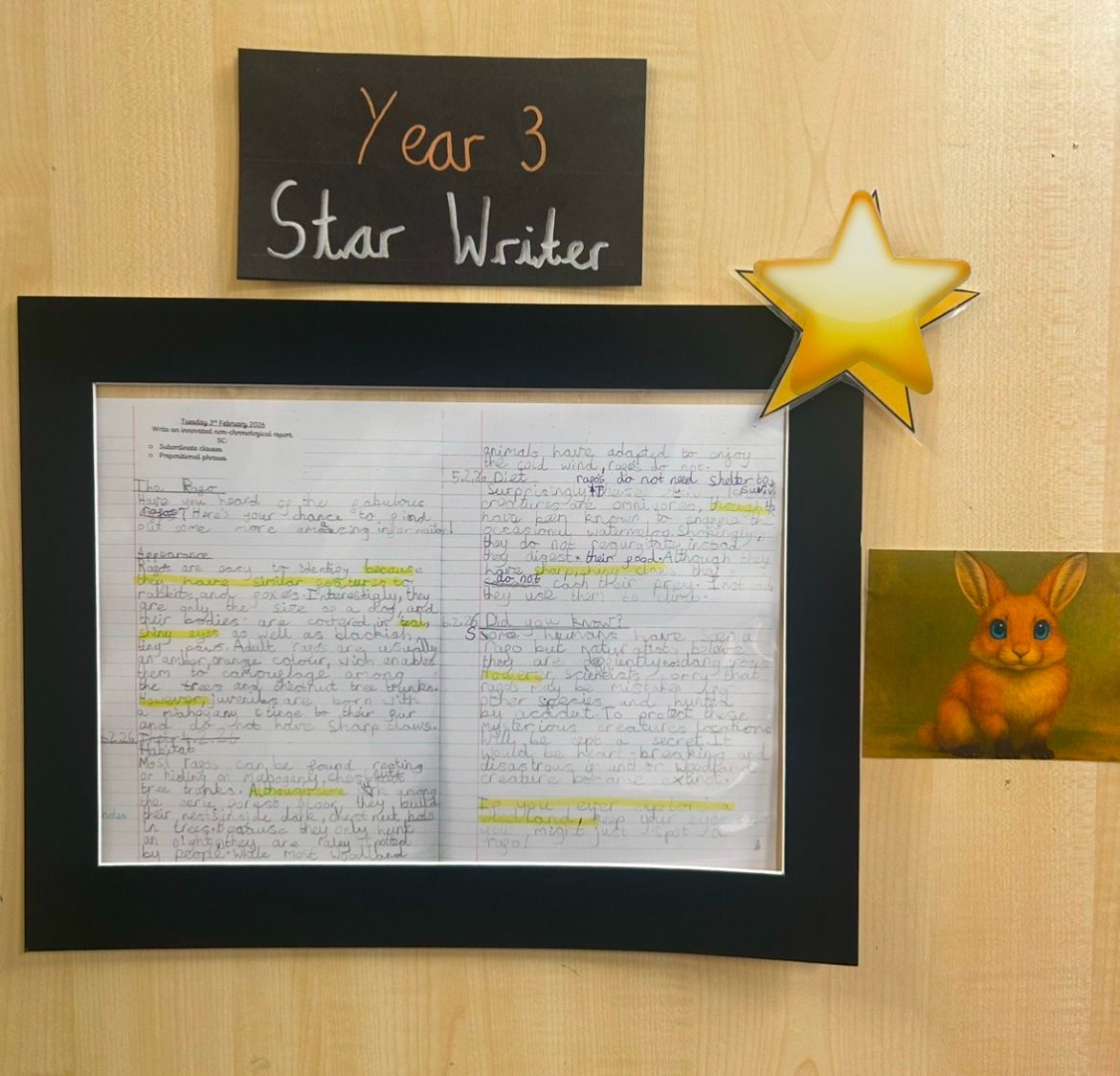
We are proud of the progress our children make as writers and believe that writing should be celebrated. At the end of each writing unit, teachers select two Star Writers from every class whose work demonstrates effort, progress, creativity or excellence. These pieces are celebrated in our whole-school assembly and displayed prominently in special frames around the school.

By sharing and celebrating high-quality writing, we inspire children to take pride in their work, recognise their achievements and see themselves as successful authors. This helps to create a school culture where writing is valued, enjoyed and celebrated by all.

Teaching for Maths Mastery

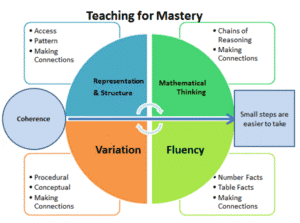
At Newtown Linford Primary School, mathematics is taught through a mastery approach. We believe that all children can achieve and become confident mathematicians through high-quality teaching, carefully sequenced learning and appropriate support and challenge.

We use the NCETM Teaching for Mastery principles, supplemented by the White Rose Maths scheme to ensure full coverage of the National Curriculum, including areas such as geometry, measures and statistics.

Our approach is built on the following principles:

All children can achieve in mathematics.

Classes work together on the same key concepts so that every child can access and master the learning.

Deep mathematical understanding is developed through reasoning, discussion and problem solving.

New concepts are introduced using the Concrete → Pictorial → Abstract (CPA) approach to support understanding.

Teaching for Mastery focuses on four key elements:

Fluency – developing a secure understanding of mathematical facts, methods and procedures.

Reasoning – explaining, justifying and proving mathematical thinking.

Problem Solving – applying mathematics in a range of contexts and situations.

Representation and Structure – using models, images and representations to expose mathematical relationships and deepen understanding.

Through this approach, children develop confidence, resilience and a secure understanding of mathematics that prepares them for the next stage of their education.

Our Approach

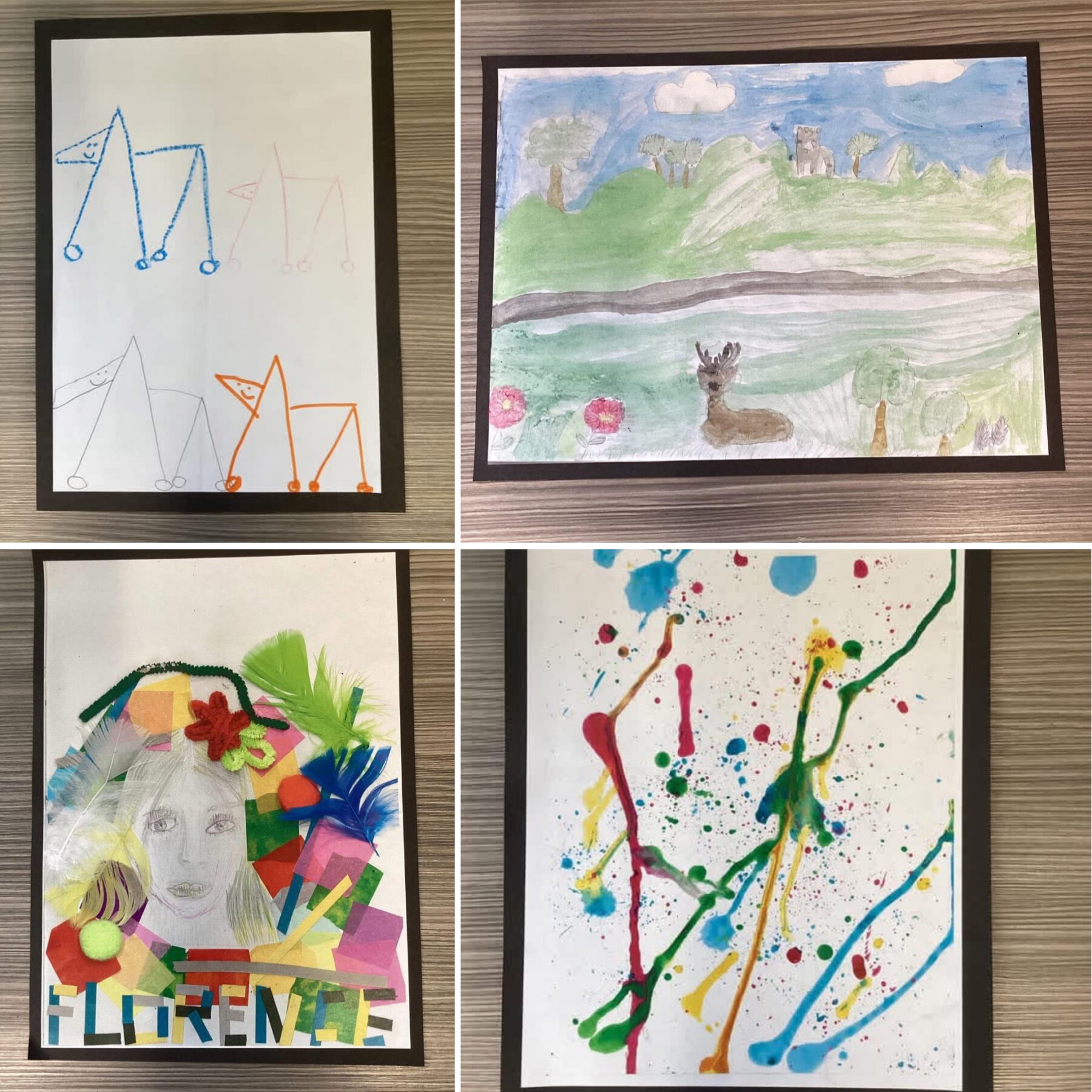
At Newtown Linford Primary School, we believe that every child is an artist. Our Art and Design curriculum encourages children to be creative, expressive and reflective while developing the knowledge and skills needed to work confidently across a range of artistic disciplines. Children study the work of significant artists, experiment with different techniques and materials, and use their learning to create purposeful final pieces of artwork.

Art is taught through four disciplinary concepts that run throughout the curriculum:

Explore – studying artists, artwork and techniques.

Develop Proficiency – practising and refining skills, often through sketchbook work.

Express – creating original final pieces inspired by learning.

Evaluate – reflecting on and discussing artistic choices and outcomes. Our Approach

Art is taught in alternating half terms alongside Design and Technology, allowing children to immerse themselves in a particular discipline while maintaining high standards of creativity and craftsmanship across both subjects.

Throughout their time at Newtown Linford, children work with a range of artistic mediums, including: Drawing, Painting, Sculpture, Printing and Collage

Sketchbooks play a vital role in the curriculum. Children use them to explore ideas, practise techniques, record observations and develop their artistic thinking before creating final pieces

Learning Through Artists

Children study a diverse range of artists, designers and craftspeople from different periods, cultures and artistic traditions. These artist studies help children develop an understanding of artistic styles, techniques and influences while inspiring them to create their own work. Artists studied include Andy Burgess, Pablo Picasso, Andy Goldsworthy, Kandinsky, Leonardo da Vinci, William Morris, Henri Rousseau, J.M.W. Turner, Lowry and Henri Moore.

Progression in Art

Our curriculum is carefully sequenced so that children revisit and build upon prior learning. As they move through the school, pupils develop increasing confidence in:

  • Drawing, shading and perspective.
  • Colour theory, mixing and painting techniques.
  • Printing and pattern-making.
  • Sculpture and 3D form.
  • Collage and mixed media.
  • Evaluating and discussing artwork using artistic vocabulary.

By the end of Year 6, children have experienced a rich and varied art curriculum that equips them with the knowledge, skills and confidence to express themselves creatively, appreciate the work of others and see themselves as artists.

Celebrating Art

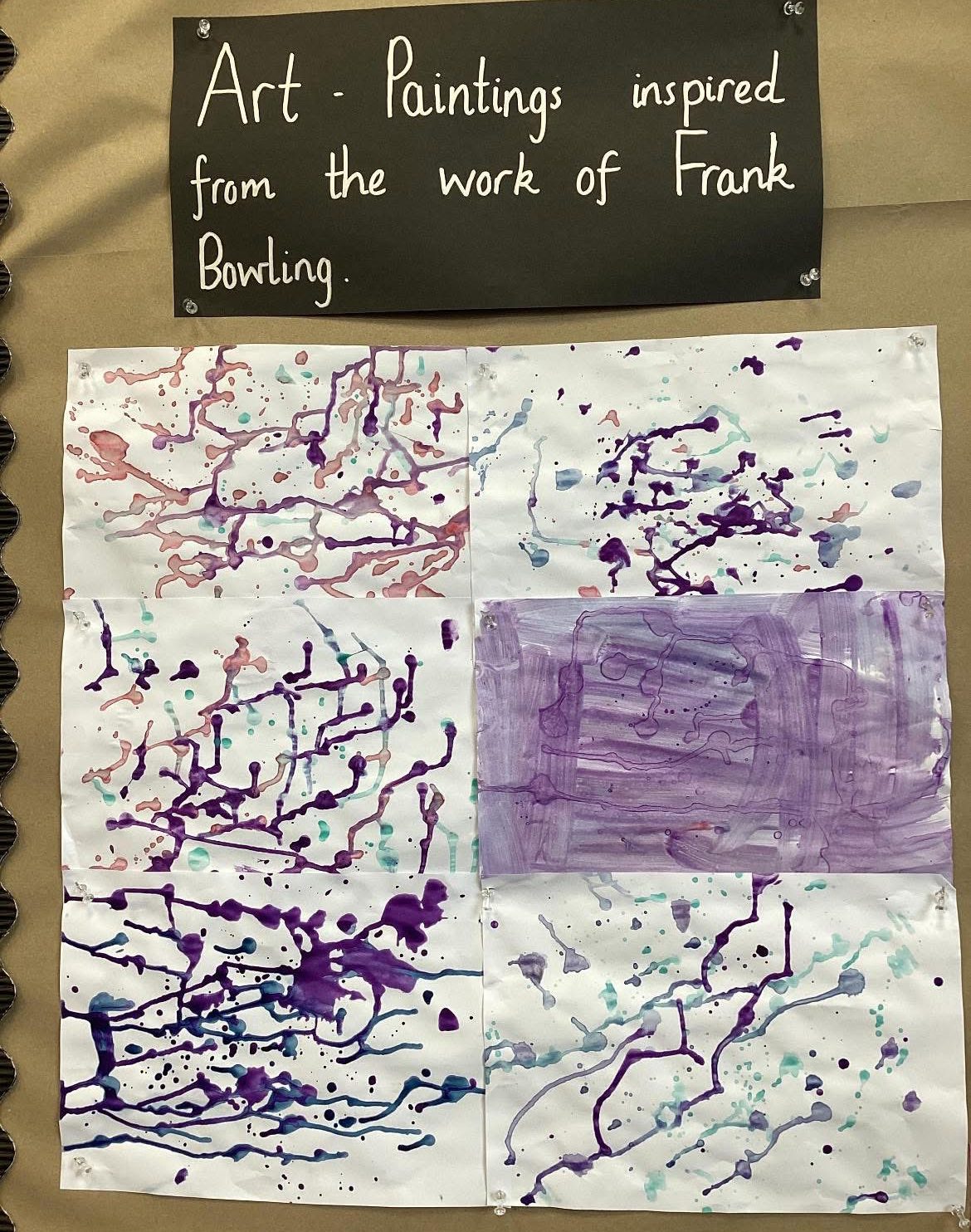
We are proud of the creativity shown by our pupils. Artwork is regularly displayed around school and shared with parents, giving children authentic opportunities to showcase their achievements and celebrate their artistic journey.

Our Approach

At Newtown Linford Primary School, we believe that computing is about preparing children for an increasingly digital world. Our curriculum equips pupils with the knowledge, skills and understanding they need to become confident, responsible and creative users of technology, both now and in the future. We aim to ensure that all children leave primary school ready for the next stage of their education and able to participate safely and successfully in a global, connected society.

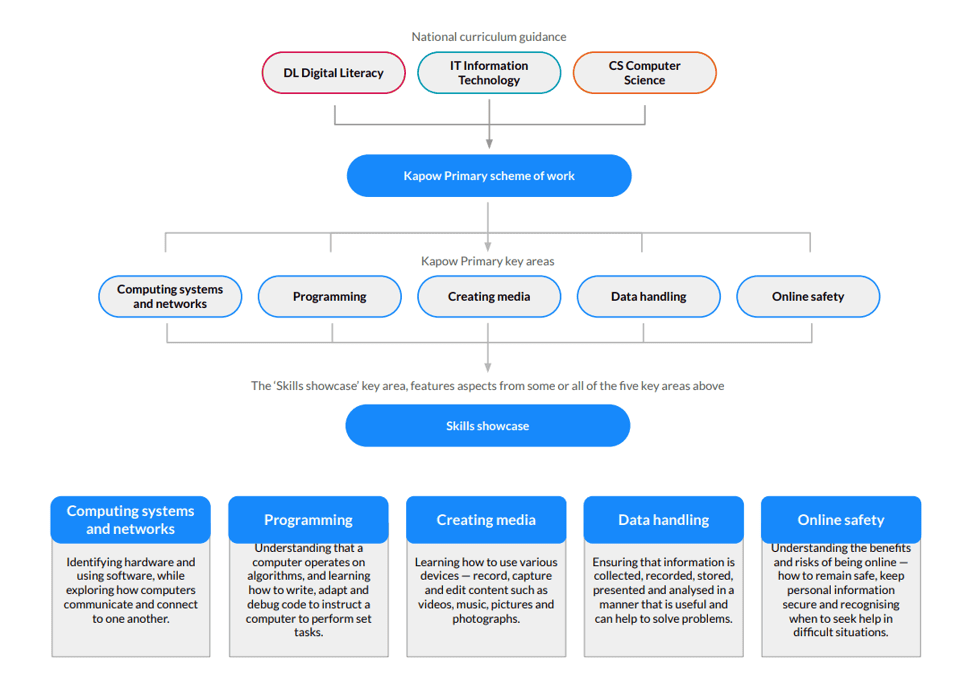
We follow the Kapow Primary Computing scheme, which provides a carefully sequenced curriculum that ensures progression in knowledge and skills from EYFS to Year 6. The curriculum is fully aligned with the National Curriculum and is organised around three key strands:

Computer Science – understanding programming, algorithms and how digital systems work.

Information Technology – using technology purposefully to create, organise and present information.

Digital Literacy – using technology safely, responsibly and respectfully.

What Children Learn

Throughout their time at Newtown Linford, children develop knowledge and skills across five key areas:

Computing Systems and Networks – understanding hardware, software and how computers communicate.

Programming – creating, testing and debugging programs using a range of coding platforms.

Creating Media – producing digital content including images, videos, animations and websites.

Data Handling – collecting, organising and interpreting data to solve problems.

Online Safety – learning how to stay safe, responsible and respectful when using technology.

Early Years Foundation Stage

In EYFS, children begin to explore technology through practical, hands-on experiences. They learn how to use computers and digital devices, explore hardware, follow and create simple instructions, programme Bee-Bots and begin to understand how data can be collected and organised.

Key Stages 1 and 2

As pupils move through the school, they build on prior learning through a carefully sequenced curriculum. Children learn to use technology confidently and purposefully, develop their understanding of computer networks and the internet, create a range of digital media, and progress from simple algorithms to coding using programs such as Scratch and Python. They also learn how digital technology impacts the wider world and how to use it safely and responsibly.

Online safety is woven throughout the curriculum and taught explicitly at every stage, ensuring pupils understand how to navigate online environments safely, recognise potential risks and know how to seek help when needed.

Developing Digital Learners

Across the school, pupils are taught to:

  • Understand how digital systems work.
  • Design, write and debug programs.
  • Use technology creatively to communicate and present ideas.
  • Collect, analyse and interpret data.
  • Use technology safely, responsibly and respectfully.
  • Become confident and independent users of digital tools.

By the end of Year 6, children leave Newtown Linford Primary School with the knowledge, skills and confidence to use technology effectively, think computationally and participate safely in an increasingly digital world.

Our Approach

At Newtown Linford Primary School, we believe that Design and Technology is about being curious, creative and innovative. Through real-life design challenges, children learn how to research, design, make and evaluate products that solve problems and meet a purpose. We aim to develop resilient learners who are willing to take risks, learn from mistakes and improve their ideas through an iterative design process

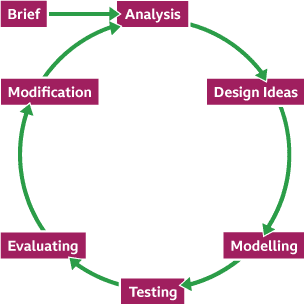
Our curriculum is built around the design cycle:

Brief → Analyse → Design Ideas → Modelling → Testing → Evaluating → Modification. Through this process, children learn that successful design often involves refining and improving ideas over time.

Design and Technology is taught in alternating half terms alongside Art and Design, allowing children to develop knowledge and skills in both subjects whilst maintaining depth and quality of learning.

Across the curriculum, pupils are given opportunities to:

Research and investigate existing products and designs.

Design purposeful products for a specific user.

Develop practical making skills.

Test and evaluate their products.

Refine designs to improve outcomes.

Four key areas run throughout the curriculum: Cook, Sew, Build, Make

Early Years Foundation Stage

In EYFS, children begin to develop the foundations of Design and Technology through exploration, construction, junk modelling and practical making experiences. They regularly use small tools safely, experiment with a variety of materials and learn to talk about what they have created and how they made it. Opportunities to cut, join, build, cook and create are woven throughout continuous provision and adult-directed learning.

Key Stages 1 and 2

As pupils move through the school, they encounter increasingly complex design challenges linked to their wider curriculum learning. They design and make products such as moving mechanisms, textiles, structures, electrical systems and food products, applying their knowledge and skills to create purposeful outcomes.

Children learn practical skills including:

  • Cooking and food preparation.
  • Sewing and working with textiles.
  • Building structures and understanding stability.
  • Creating mechanisms and moving products.
  • Working with electrical systems and programming.
  • Designing, testing and improving products. Inspiring Designers and Inventors

Throughout their learning, children study influential architects, engineers, designers, inventors and chefs. These studies help pupils understand how Design and Technology shapes the world around them and inspires innovation.

Developing Designers

Our curriculum is carefully sequenced so that children progressively develop their technical knowledge, practical skills and understanding of the design process. By revisiting and building upon prior learning, pupils become increasingly confident in researching, designing, making and evaluating products for a range of purposes.

By the end of Year 6, children leave Newtown Linford Primary School as thoughtful and creative problem-solvers who can apply their knowledge and skills to design and make products with purpose, confidence and pride.

Our Approach

At Newtown Linford Primary School, Geography helps children develop a curiosity about the world and their place within it. Our curriculum is rooted in the National Curriculum and enables pupils to build secure knowledge of local, national and global places while developing an understanding of the processes that shape our planet and the lives of the people who live on it.

Geography is organised around four key threads:

Location – understanding continents, oceans, countries, regions and their position in the world.

Human and Physical Geography – learning about landscapes, settlements, environments and the processes that shape them.

Place – comparing and contrasting different locations and cultures.

Fieldwork and Mapping – using maps, atlases, globes, aerial photographs and data collection to investigate the world.

Learning begins in EYFS through Understanding the World, where children explore their local environment, seasons, places and communities.

As pupils move through the school, they study:

  • The local area, Newtown Linford and the United Kingdom
  • Continents, oceans, coasts and contrasting locations
  • Settlements, land use, mountains, rivers and the water cycle
  • Europe, North America and South America
  • Natural resources, climate zones, biomes, volcanoes and earthquakes
  • Global trade and sustainability

Fieldwork is a key part of our curriculum. Pupils investigate their local area, use geographical data, conduct enquiries, create maps and develop the skills needed to ask questions, collect evidence and draw conclusions.

Through Geography, children leave Newtown Linford with a strong understanding of the world around them, an appreciation of diverse places and cultures, and the knowledge and skills needed to become informed and responsible global citizens.

Our Approach

At Newtown Linford Primary School, we want children to develop a fascination with the past and an understanding of how history has shaped the world we live in today. Our history curriculum is rooted in the National Curriculum and reflects the work of historians, helping children build both historical knowledge and disciplinary understanding.

Through the study of local, national and global history, pupils develop a secure understanding of the past, ask thoughtful questions, analyse sources and evidence, and learn to think critically about historical interpretations.

Our curriculum is carefully sequenced to develop a strong chronological understanding of history. Wherever possible, learning is organised chronologically so that children can make meaningful connections between different periods and understand how societies have changed over time. Knowledge and skills build progressively from EYFS through to Year 6, preparing pupils well for future learning.

Children learn history through a balance of:

Substantive knowledge – learning about significant people, events, societies and civilisations.

Disciplinary knowledge – learning how historians investigate, interpret and understand the past.

Historical Thinking

Throughout their learning, children develop their understanding of key historical concepts:

  • Cause and consequence
  • Change and continuity
  • Similarity and difference
  • Historical significance
  • Sources and evidence
  • Historical interpretations

As they progress through the school, pupils learn how historians use evidence to answer questions about the past and begin to understand that different interpretations of history can exist.

Historical Threads

Key themes run throughout our curriculum, helping children make connections between different periods of history: Settlement, Beliefs, Culture, Food and farming, Travel and exploration, Conflict, Monarchy and politics and Technological advances

What Children Learn

In Key Stage 1, children learn about changes within living memory, significant individuals, important events and local history. Units include toys, schools, the Great Fire of London, Florence Nightingale, Mary Seacole, Lady Jane Grey and Bradgate Park.

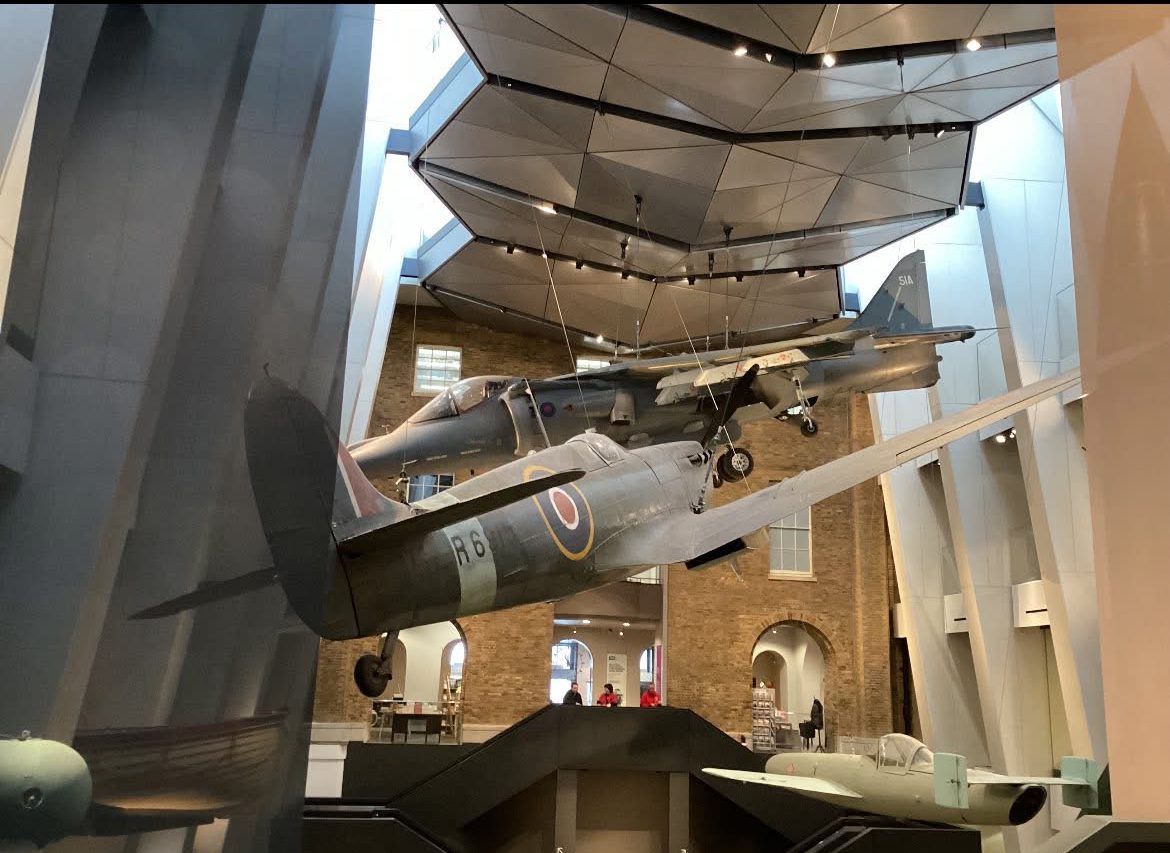
In Key Stage 2, children develop a broader understanding of British and world history through studies including the Stone Age, Ancient Egyptians, Romans, Anglo-Saxons, Vikings, Normans, Ancient Greece, the Mayans, Richard III, the Battle of Bosworth, the Battle of Britain, the British Empire and the history of medicine.

Developing Young Historians

Across the school, pupils are taught to:

  • Develop chronological understanding.
  • Build historical knowledge and understanding.
  • Analyse sources and interpretations.
  • Ask and answer historical questions.
  • Communicate their understanding using appropriate historical vocabulary.

History in the Early Years is primarily taught through Understanding the World, where children begin to explore the concepts of past and present through stories, personal experiences, photographs, artefacts and discussions about how life has changed over time.

By the end of Year 6, children leave Newtown Linford Primary School with a secure chronological understanding of history, an appreciation of diverse cultures and societies, and the ability to think critically about the past using the knowledge, skills and curiosity of a historian.

Our Approach

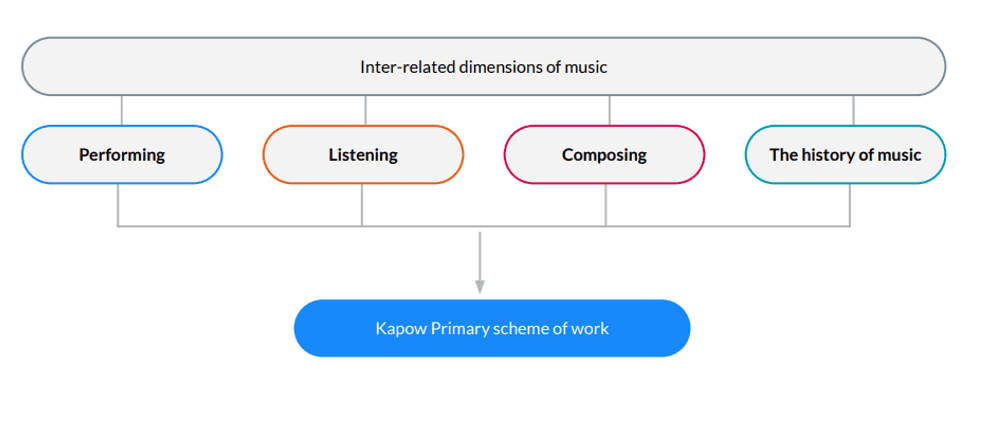
At Newtown Linford Primary School, we believe that music is about expression, creativity and enjoyment. Through our carefully sequenced curriculum, children develop as performers, listeners and composers while gaining an appreciation of a wide range of musical styles, traditions and cultures. We use the Kapow Primary Music scheme to support the delivery of a rich and progressive music curriculum from EYFS to Year 6.

Music teaching is built around the key inter-related dimensions of music: pitch, duration, dynamics, tempo, timbre, texture, structure and musical notation. These concepts are revisited and developed throughout children’s musical journey.

Early Years Foundation Stage

In EYFS, children develop their musical understanding through singing, movement, rhythm games, listening activities and the exploration of instruments. They learn to keep a steady beat, respond to changes in music, match pitch and develop confidence in singing and performing. Music is woven throughout the curriculum and helps children develop communication, listening and expressive skills.

Key Stage 1

In Key Stage 1, children build secure foundations in pulse, rhythm, pitch, tempo and musical notation. Through singing, performing and musical storytelling, pupils begin to understand how music can communicate ideas and emotions. They learn to play and explore instruments, compose simple pieces and perform with increasing confidence. Topics include pulse, tempo, pitch, dynamics, instruments and singing.

Key Stage 2

In Key Stage 2, pupils develop their knowledge and skills through a wide range of musical genres and traditions. They compose, perform and appraise music while exploring samba, jazz, blues, rock and roll, musical theatre, world music, film music and classical music. Children learn to use musical notation, compose for specific purposes and develop increasingly sophisticated performance skills.

Music Beyond the Classroom

Music plays an important role in school life. Children regularly perform in assemblies, productions and celebrations, including the Key Stage 1 Nativity and the Year 6 leavers’ performance.

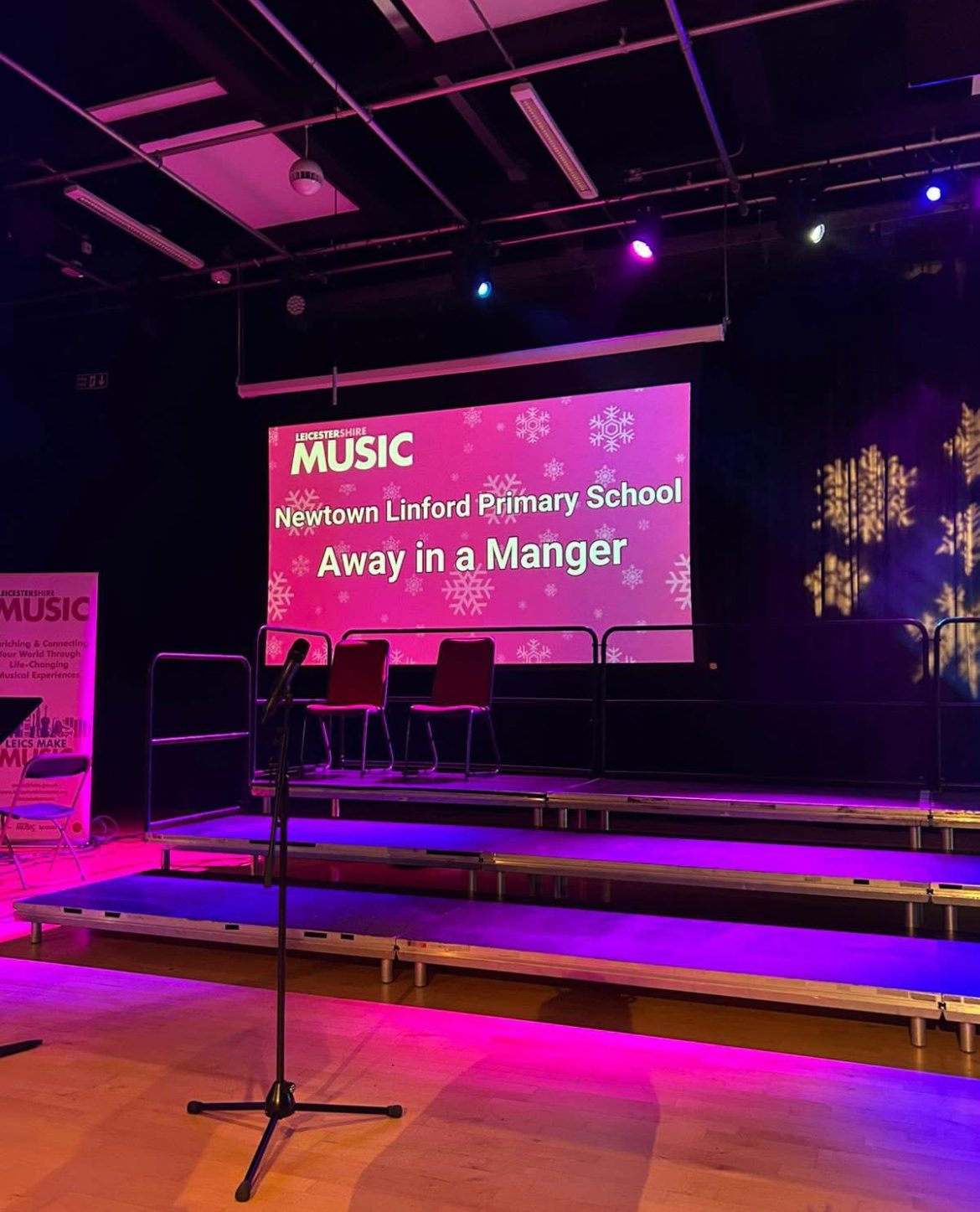
Our school choir provides additional opportunities for children to develop their singing skills. Choir members perform at events organised by the Leicestershire Music Service three times each year, allowing them to perform alongside children from other schools and experience large-scale musical events.

We are also proud to offer specialist instrumental lessons in: Piano, Drums, Ukulele, Guitar

Pupils taking part in instrumental tuition have opportunities to perform and showcase their learning, helping to build confidence, resilience and a lifelong love of music.

Developing Musicians

Across the school, pupils are taught to:

  • Perform, listen to and evaluate music.
  • Sing and play instruments with increasing confidence.
  • Compose and improvise using voices and instruments.
  • Understand and apply musical vocabulary and notation.
  • Appreciate music from different genres, cultures and historical periods.

By the end of Year 6, children leave Newtown Linford Primary School with the confidence to perform, create and discuss music, as well as an appreciation of the important role that music plays in cultures and communities around the world.

Our Approach

At Newtown Linford Primary School, we believe that Physical Education is about being healthy, active, expressive and enjoying competitive sport. Our curriculum develops children’s physical competence, confidence and understanding of how to lead healthy, active lives. We deliver PE through a combination of Real PE, Real Gym, Real Dance and specialist sports coaching, ensuring pupils develop both fundamental movement skills and positive attitudes towards physical activity.

Our PE curriculum is built around six key learning behaviours:

Personal

Social

Cognitive

Creative

Physical

Health and Fitness

Alongside twelve fundamental movement skills that are progressively developed throughout the school.

Early Years Foundation Stage

In EYFS, children develop fundamental movement skills through stories, games and practical activities. They learn to balance, jump, land, throw, catch and move confidently in different ways while developing important personal and social skills. Through active play and structured PE sessions, children begin to understand the importance of exercise, teamwork and physical wellbeing.

Key Stage 1

In Key Stage 1, children continue to build strong foundations through Real PE, developing agility, balance and coordination. Pupils take part in gym, dance and a range of games and competitive sports, learning how to work cooperatively, follow rules and apply skills in different contexts. They begin to develop confidence in both individual and team activities while building resilience and perseverance.

Key Stage 2

In Key Stage 2, pupils further develop their physical skills through Real PE, dance, gymnastics and a variety of competitive sports. Children learn to apply increasingly sophisticated tactics, evaluate and improve performance, work effectively as part of a team and demonstrate leadership. They are encouraged to challenge themselves, strive for personal bests and develop a lifelong appreciation of physical activity and healthy competition.

Competitive Sport and Enrichment

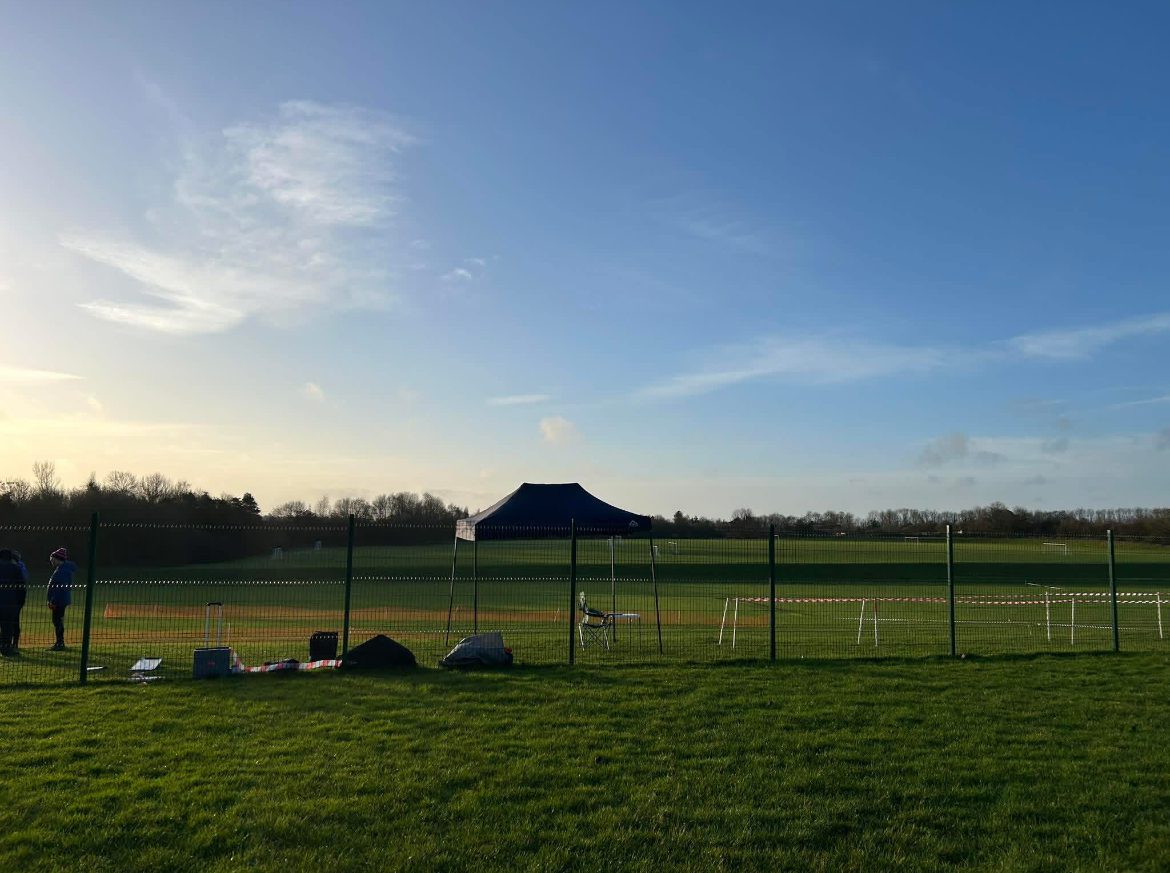
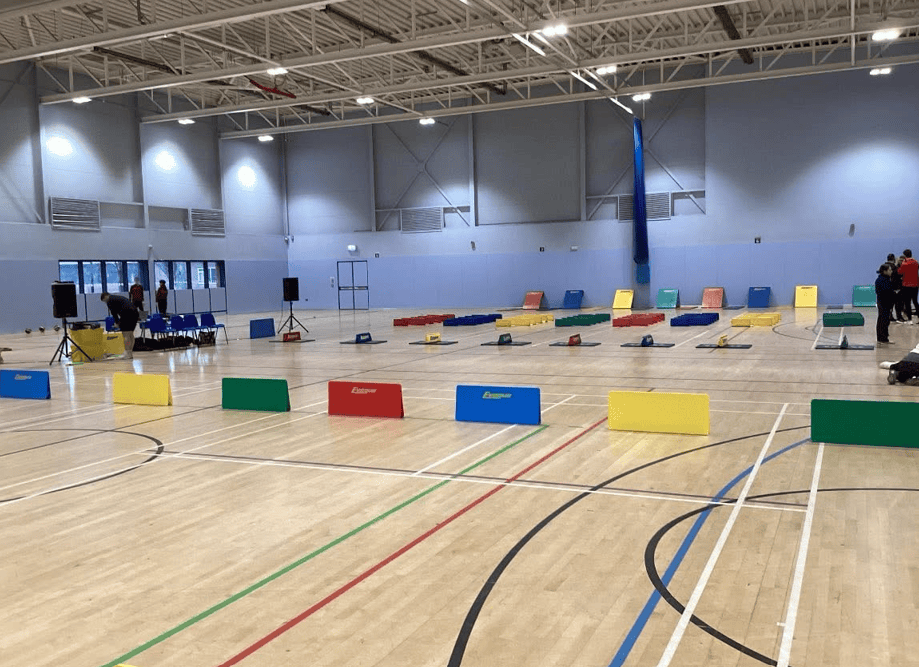
We are proud of our strong sporting culture and the opportunities available to pupils beyond curriculum PE. Through our partnership with HBSSPAN, children regularly participate in inter-school competitions and festivals, developing teamwork, resilience and sportsmanship.

Pupils have opportunities to represent the school in a range of sporting events, including: Dodgeball, Cross Country, Football, Multi-Sports Festivals, Athletics and Tennis

These experiences help children apply their learning in competitive situations, celebrate success and develop confidence as athletes.

Developing Healthy, Active Learners

Across the school, pupils are taught to:

  • Develop fundamental movement skills and physical competence.
  • Participate in team games and competitive sports.
  • Perform, create and evaluate movement in dance and gymnastics.
  • Improve fitness, coordination, balance and agility.
  • Understand the importance of exercise and healthy lifestyles.
  • Demonstrate resilience, teamwork and respect for others.

By the end of Year 6, children leave Newtown Linford Primary School with the knowledge, skills and confidence to enjoy sport, lead healthy lives and participate successfully in a wide range of physical activities.

Our Approach

At Newtown Linford Primary School, we believe that PSHE and RSHE are central to children’s personal development, wellbeing and preparation for life in modern Britain. Through a carefully sequenced curriculum, pupils develop the knowledge, skills and understanding needed to build healthy relationships, make informed choices, stay safe and become active, responsible citizens. We use the Kapow Primary PSHE and RSHE scheme to support the delivery of our curriculum.

Our curriculum is organised around key themes including My Healthy Self, Connecting with Others, The Online World, Staying Safe, Health Protection, Citizenship and Growing Up. These themes are revisited throughout the school, enabling children to build and deepen their understanding over time.

Early Years Foundation Stage

In EYFS, children begin to develop an understanding of themselves and their place in the world. Through play, stories and discussion, they learn about feelings, friendships, family relationships, wellbeing, self-regulation and managing challenges. Children develop the foundations needed to form positive relationships and make healthy choices.

Key Stage 1

In Key Stage 1, pupils develop their understanding of friendships, emotions, health, safety and belonging. They learn how to build positive relationships, stay safe both online and offline, care for their physical and mental wellbeing, understand personal boundaries and recognise trusted adults who can help them when needed.

Key Stage 2

In Key Stage 2, pupils deepen their understanding of relationships, physical and mental health, online safety, citizenship and personal responsibility. They explore topics including rights and responsibilities, financial education, equality, diversity, puberty, healthy lifestyles, resilience and respectful relationships. Children are encouraged to think critically, challenge stereotypes and develop the confidence to make positive choices.

Developing Responsible Citizens

Our curriculum promotes inclusion, mutual respect and equality. Through PSHE and RSHE, pupils develop an understanding of diversity and the importance of treating everyone with dignity and respect. Learning supports pupils’ understanding of the protected characteristics within the Equality Act 2010 and helps prepare them to live successfully in a diverse society. Fundamental British Values, including democracy, individual liberty, mutual respect and tolerance, are woven throughout our curriculum and wider school life.

Across the school, pupils are taught to:

  • Build healthy and positive relationships.
  • Understand and manage emotions.
  • Keep themselves physically and mentally healthy.
  • Stay safe online and offline.
  • Develop resilience, confidence and independence.
  • Respect diversity and challenge discrimination.
  • Understand their rights and responsibilities as members of society.

By the end of Year 6, children leave Newtown Linford Primary School equipped with the knowledge, understanding and confidence needed to stay safe, make positive choices, build healthy relationships and contribute positively to society.

Parent Right to Withdraw

Relationships Education and Health Education are statutory parts of the curriculum and all pupils are expected to take part in these lessons.

At Newtown Linford Primary School, additional non-statutory sex education is taught in Year 6 through the unit “How do people become parents and carers?”. This unit covers conception, pregnancy, birth and the responsibilities of parenthood. Parents have the legal right to request that their child is withdrawn from these specific lessons. There is no right to withdraw from Relationships Education, Health Education or the statutory science curriculum. Parents wishing to discuss the curriculum or request withdrawal should contact the Headteacher.

Our Approach

At Newtown Linford Primary School, Religious Education is taught in accordance with the Leicestershire Agreed Syllabus. Through the study of Christianity, Islam, Hinduism and Humanism, pupils develop an understanding of different beliefs, values and worldviews. Children gain the knowledge and skills needed to make informed choices in the wider world and are encouraged to explore their own views and beliefs in a respectful and thoughtful way.

Our curriculum is built around four disciplinary concepts: Explore, Retrieve, Inquire and Understand

Early Years Foundation Stage

In EYFS, children begin to learn about themselves, their families and the communities they belong to. Through stories, celebrations, special places and significant events, children explore questions about belonging, Christianity and other faiths. Pupils learn that people have different beliefs and traditions and begin to understand and respect these differences.

Key Stage 1

In Key Stage 1, children develop their understanding of Christianity and Islam through stories, celebrations, sacred places and key beliefs. They learn about important events such as Christmas, Easter and Eid, explore places of worship and begin to understand how faith influences the lives of believers. Pupils are encouraged to ask questions, make connections and reflect on their own experiences alongside the beliefs of others.

Key Stage 2

In Key Stage 2, pupils deepen their knowledge of Christianity, Islam, Hinduism and Humanism. They explore important beliefs, sacred texts, traditions and practices while considering bigger questions about faith, identity, morality and meaning. Children learn to compare different viewpoints, analyse religious ideas and understand how beliefs influence the lives of individuals and communities in Britain and around the world.

Learning Beyond the Classroom

Learning is enriched through visits to places of worship and visitors from different faith communities. These experiences help children develop first-hand knowledge and a deeper understanding of religious belief and practice.

Developing Respectful and Reflective Learners

Across the school, pupils are taught to:

  • Develop knowledge and understanding of a range of religions and worldviews.
  • Explore and discuss beliefs, values and traditions respectfully.
  • Ask thoughtful questions and consider different viewpoints.
  • Reflect on their own beliefs, values and experiences.
  • Make connections between faith, culture and everyday life.
  • Develop respect, tolerance and understanding of others.

By the end of Year 6, children leave Newtown Linford Primary School with a secure understanding of major world religions and worldviews, alongside the knowledge, skills and respect needed to thrive in a diverse and multicultural society.

Parent Right to Withdraw

Religious Education is a statutory part of the curriculum and is taught in line with the Leicestershire Agreed Syllabus. Parents have the legal right to withdraw their child from all or part of Religious Education lessons. If you are considering exercising this right, we encourage you to discuss your concerns with the Headteacher in the first instance so that we can explain the nature and purpose of the curriculum. Requests for withdrawal should be made in writing to the school.

Our Approach

At Newtown Linford Primary School, our science curriculum inspires children to develop curiosity about the world around them and understand how scientific knowledge helps us make sense of everyday life. Through the disciplines of biology, chemistry and physics, pupils build secure scientific knowledge whilst developing the skills of enquiry, investigation and critical thinking.

Science is taught through carefully sequenced units that build knowledge progressively from EYFS to Year 6. Learning is organised around the three scientific disciplines:

Biology – living things, habitats, plants, animals and humans, evolution and inheritance.

Chemistry – materials, states of matter and changes in materials.

Physics – forces, light, sound, electricity, Earth and space.

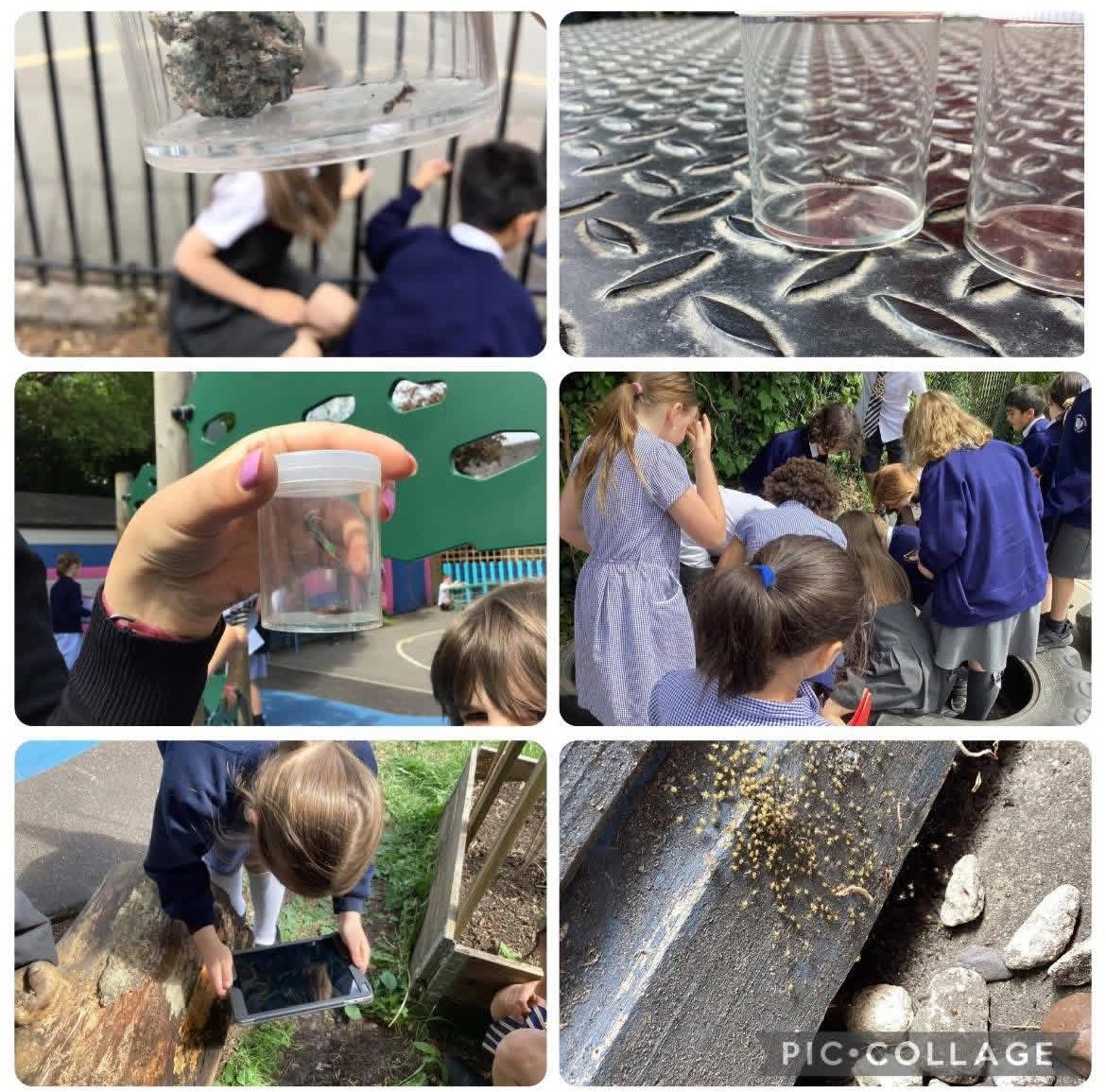
A key feature of our curriculum is the equal importance given to both substantive knowledge (scientific facts and concepts) and disciplinary knowledge (working scientifically). Pupils learn how scientists ask questions, plan investigations, observe over time, identify patterns, carry out fair tests and use secondary sources to deepen their understanding.

In the Early Years, science learning is rooted in Understanding the World, where children explore the natural environment, observe seasonal change, investigate materials and develop an awareness of living things and their habitats.

Throughout the school, children study a broad range of scientific concepts including: Animals including Humans, Plants and Living Things, Everyday Materials and States of Matter, Light, Sound and Electricity, Forces and Magnets, Rocks and Fossils, Earth and Space, Evolution and Inheritance

Practical enquiry sits at the heart of learning. Children use scientific equipment, conduct investigations, collect and interpret data, present findings and draw conclusions based on evidence. Through these experiences, they develop the confidence to think scientifically and understand how scientific knowledge is developed and refined over time.

By the end of Year 6, pupils leave Newtown Linford with a secure understanding of key scientific concepts, the ability to work scientifically, and an appreciation of the role science plays in understanding and improving the world around us.

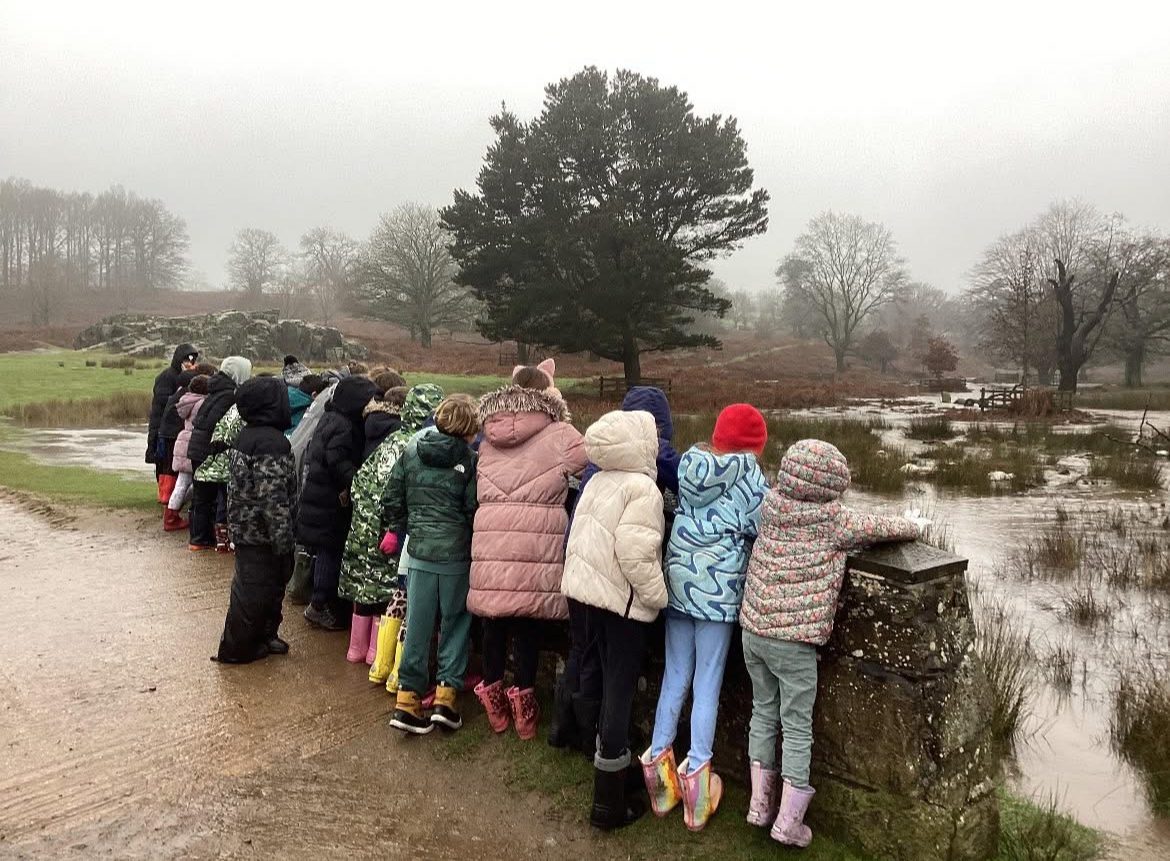
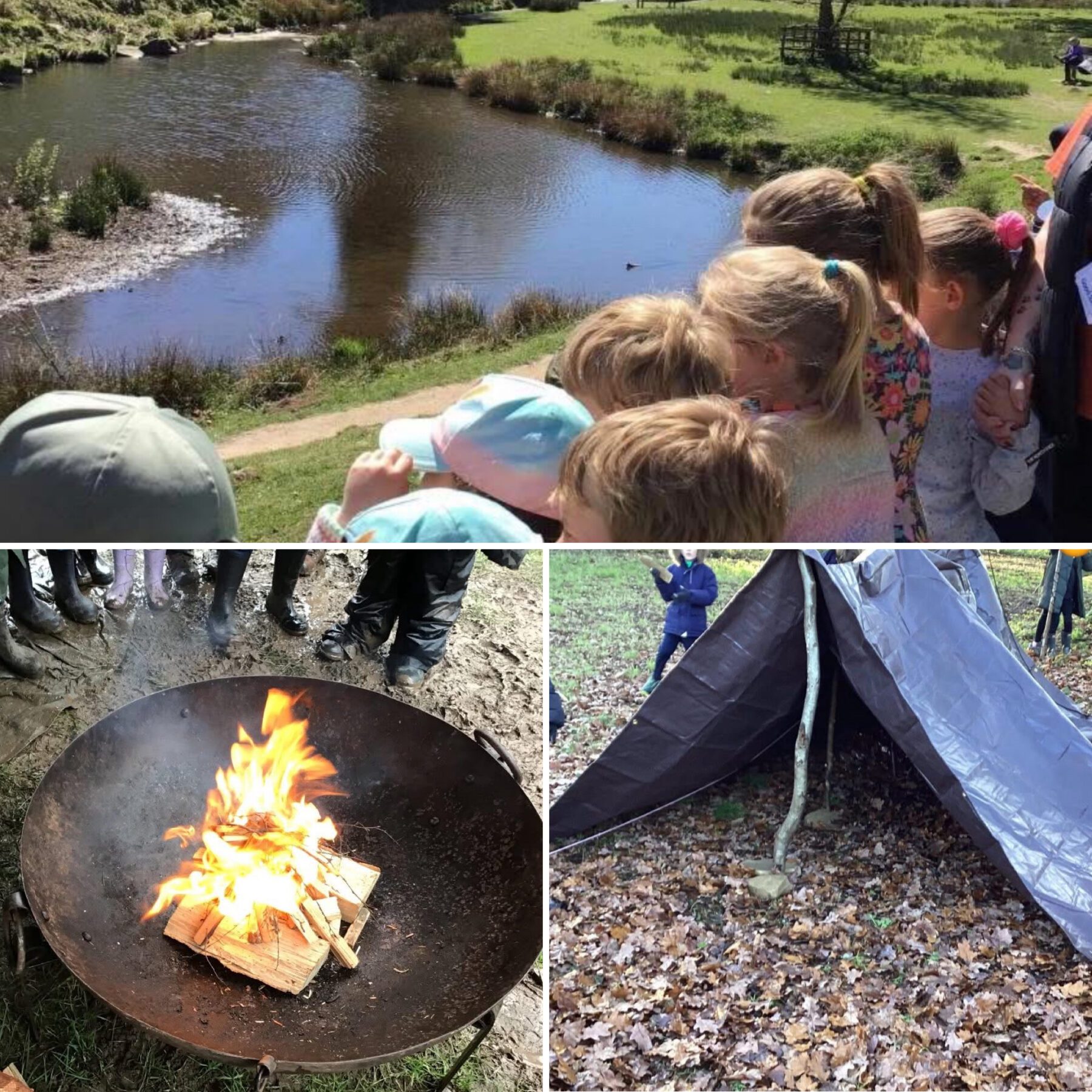
At Newtown Linford Primary School, every class takes part in a half-term block of Forest School sessions at Bradgate Park, led by the park rangers. These sessions provide children with valuable opportunities to learn beyond the classroom and develop a deeper connection with the natural environment.

Through hands-on activities such as den building, making s’mores over a campfire, exploring the River Lin and observing the famous Bradgate deer, children develop important life skills including teamwork, resilience, independence and problem-solving. Forest School encourages curiosity, confidence and a sense of adventure whilst helping pupils learn about and appreciate their local environment.

These memorable outdoor experiences support children’s personal development and wellbeing, helping them to become confident, resilient learners who value the natural world.